
What if you could capture professional aerial footage without needing to be a master pilot? That’s the power modern drone technology offers to creators today. I’m thrilled to share my complete guide to using intelligent flight modes that transform your aerial photography.
This article focuses on how DJI drone features can elevate your creative style. You will learn to produce stunning video content with ease. These automated functions handle complex camera movements for you.
My goal is to help you understand how these tools enhance your footage. Whether you film for social media or clients, you can achieve a polished look. It’s about working smarter, not harder, with your camera equipment.
Key Takeaways
- Discover how automated flight modes simplify capturing complex aerial shots.
- Learn to utilise your drone’s intelligent features for professional-looking footage.
- Understand why these tools are valuable for time-sensitive projects.
- Gain insights to immediately improve your aerial photography and videography.
- See how to focus on composition while the drone handles the flight path.
Getting Started with QuickShots
Ready to unlock the automated filming potential of your drone with just a few simple steps? Let me walk you through the essential preparation process. Proper setup ensures you can use QuickShots safely and effectively.
Setting up Your DJI Drone for QuickShot Mode
Before you start capturing automated footage, your equipment needs proper configuration. First, locate the flight mode switch on your remote controller. You must toggle this to N mode (Normal mode) to enable intelligent flight functions.
I always recommend launching your DJI Mini 4 Pro or similar aircraft and hovering at least two metres above the ground. This provides adequate clearance for safe automated movements. The aircraft needs this space to execute its programmed flight paths without obstacles.
Navigating the QuickShot Interface
Once your drone is safely airborne, accessing the QuickShot features is straightforward. Look for the shooting mode icon on the right side of your screen. A simple tap opens the menu where you can select from various automated patterns.
The controller layout is intuitive once you familiarise yourself with the key buttons. Understanding which switches control which functions makes operating quick shot mode much smoother. I suggest practising these steps in an open area before your important filming sessions.
Pre-flight checks are crucial when you plan to use QuickShots. Ensure your aircraft maintains proper distance from both ground and subject. This preparation guarantees professional results every time.
Exploring “dronie and boomerang shots”
The magic of automated aerial filming truly shines when you explore specific movement patterns designed for maximum visual appeal. These techniques transform ordinary scenes into cinematic sequences with minimal effort.
Understanding the Dronie Technique and Maximum Flight Distance
The dronie creates a dramatic reveal as your aircraft flies backward while ascending. The camera remains locked on your subject throughout the movement.
You can adjust the flight distance from 25 to 120 metres on models like the Mavic 3. Shorter distances create intimate perspectives, while longer ranges deliver sweeping cinematic reveals.
Creating Dynamic Boomerang Orbits
Boomerang mode follows an elliptical path around your subject. The aircraft rises during the first half of the movement and descends in the second part.
This creates a mesmerising orbital effect perfect for showcasing landscapes. The continuous camera adjustment produces that distinctive looping visual.
Comparing QuickShot Sub-Modes
Beyond these two signature moves, DJI offers a full toolkit of automated options. Each mode serves different creative purposes with varying distance parameters.
| Mode | Distance Range | Movement Pattern | Best Use |
|---|---|---|---|
| Dronie | 25-120m | Backward ascent | Scene reveals |
| Rocket | 25-80m | Vertical ascent | Height emphasis |
| Circle | 10-30m | Orbital circle | 360° views |
| Helix | 10-120m | Spiral ascent | Dynamic orbits |
| Boomerang | 15-60m | Elliptical orbit | Looping effects |
| Asteroid | Fixed | Zoom to planet | Creative transitions |
Understanding these parameters helps you choose the right technique for each shooting scenario. The altitude changes throughout each movement add depth and dimension to your footage.
How to Execute QuickShots Like a Pro
Executing professional automated footage requires mastering a few key interface interactions. I’ll guide you through the precise sequence that transforms your equipment into a creative partner.
Step-by-Step Guide to Initiate QuickShots
Begin by selecting your preferred shot mode from the menu. The next critical step involves subject selection on your screen.
Look for the plus icon that appears over recognised subjects like people or vehicles. Alternatively, manually drag-select your target area. This positioning determines your final result.
Once satisfied with the subject’s position, tap the Start button. Your aircraft automatically begins its programmed flight path. The system handles all shooting while you monitor progress.
Using the Remote Controller and Flight Mode Switch Effectively
Your controller plays a crucial role during automated sequences. Accidentally moving a control stick immediately stops the shooting.
Keep your hands steady throughout the process. If you need to abort, tap the red icon on your screen’s right side. Alternatively, press the flight pause button once.
Your drone will exit the mode and hover safely. After completion, tap the Playback button to review your footage immediately.
Tips and Tricks for Perfect Drone Footage
Capturing truly breathtaking drone footage requires more than just pressing a button—it’s about mastering the finer details. I’ve learned through experience that small adjustments make a massive difference in your final results.
Avoiding Restricted Zones and Ensuring Safety
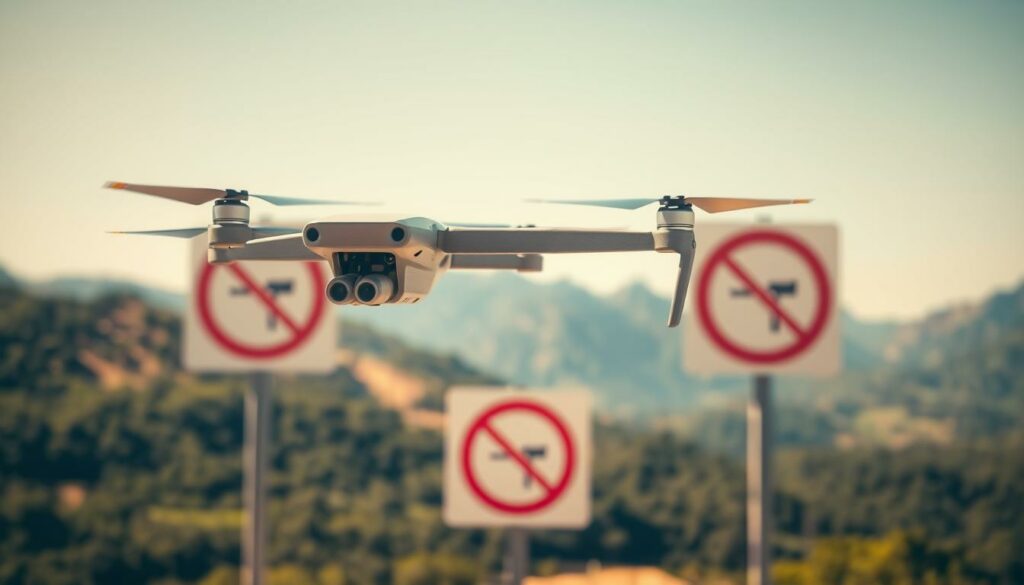
Your aircraft’s safety systems are designed to protect both your equipment and people nearby. The shooting will automatically stop if you fly too close to restricted areas or if the sensing system detects obstacles.
I always recommend flying in open, unobstructed spaces. This gives your drone clear flight paths in all directions. It’s particularly important for automated movements that involve backward or orbital patterns.
Enhancing Camera Angles and Exposure Settings
Camera settings dramatically affect your footage quality. You can choose between manual and Auto exposure modes in the bottom right of your screen. Each approach works best for different lighting conditions.
For format options, I suggest considering your post-production needs. Shooting in 4K resolution versus 1080p offers different advantages. The 30 fps frame rate creates smooth, cinematic-looking footage that matches professional standards.
Optimising Flight Path and Altitude for Cinematic Shots
The starting height of your QuickShot significantly impacts visual appeal. I choose optimal altitude based on my subject’s size and the surrounding terrain. This decision affects the specific style I want to achieve.
When setting distance parameters, beginners should start with shorter ranges. This conservative approach builds confidence before attempting more ambitious shots. Proper control comes from understanding how your drone behaves at different distances.
Visualise the entire flight path before initiating the shot. Consider factors like sun position and background elements. This preparation ensures you capture the point of maximum visual interest.
Creative Applications for DJI Drones
Professional creators are discovering remarkable applications for QuickShots beyond basic filming. These automated features deliver consistent results across various professional scenarios. I’ve seen them transform workflows in unexpected ways.
Real Estate, Cinematic Video, and Vlog Enhancements
In real estate photography, automated movements create stunning property reveals. The Rocket shot effectively showcases building scale and surroundings. This approach saves time while producing professional drone video content.
Cinematic producers now embrace these tools for their reliability. The Mavic 3 delivers smooth, repeatable movements that enhance narrative flow. This consistency is invaluable for professional projects.
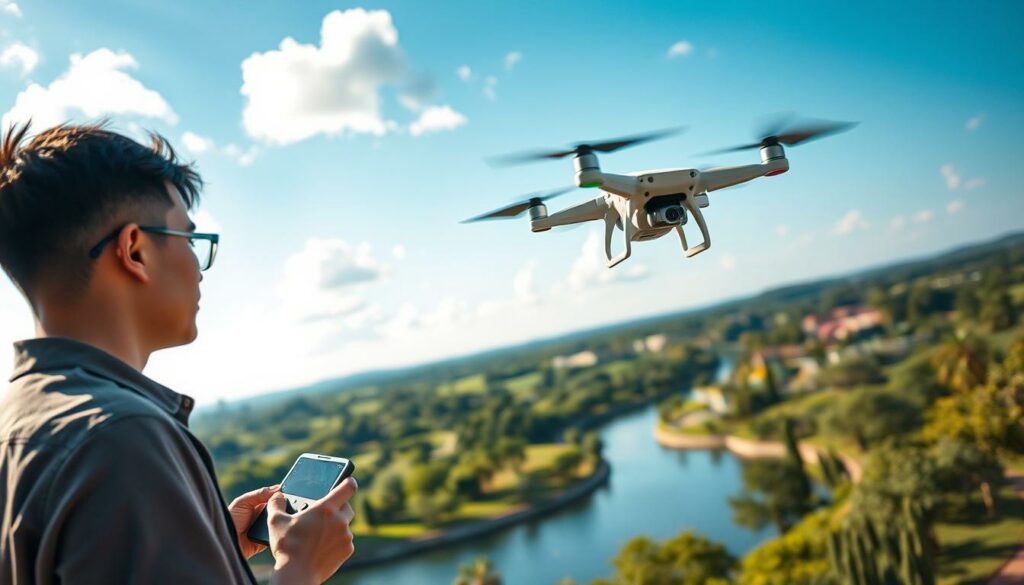
Travel vloggers benefit immensely from portable options like the DJI Mini. Lightweight aircraft capture breathtaking footage without heavy equipment. This elevates content above typical ground-level filming.
Format considerations ensure seamless integration with other clips. Maintaining consistent style across shots creates cohesive visual storytelling. The aircraft’s return-to-start feature enables efficient multiple takes.
Strategic starting position maximises each movement’s impact. Different shot types serve distinct storytelling purposes. Professional users combine automated and manual flying for hybrid sequences.
Conclusion
As we wrap up this journey into automated aerial filming, you now possess the knowledge to transform your creative vision into stunning visual content. The QuickShot features we’ve explored make professional results accessible to creators at every level.
Remember that practice builds confidence. Start with simple subjects and shorter distance settings before tackling complex scenarios. Each successful shot will grow your skills. The consistency of these automated modes ensures repeatable, high-quality footage every time.
Safety remains paramount—always check your surroundings before initiating any shooting sequence. Keep your controller ready for unexpected situations. Your unique creative style will shine as you experiment with different shot types and camera angles.
I invite you to join my newsletter for advanced tips and photo examples. Your journey in drone photography is just beginning. Combine technical knowledge with artistic vision to create compelling video narratives that captivate from start to finish.
FAQ
What are DJI QuickShots and how do I access them?
DJI QuickShots are automated flight modes on my drone that create professional-looking video clips with a single tap. I find them in the main menu of the DJI Fly app. Once I select my subject on the screen, I just choose a style like Dronie or Boomerang, and the aircraft does the rest!
How far away should my subject be for a good Boomerang shot?
For the best results with my Boomerang QuickShot, I make sure my subject is about 10 to 30 metres away from the starting point. This gives the drone enough space to perform its circular flight path and capture a dynamic clip without getting too close.
Can I adjust the flight distance or height for a Dronie?
Absolutely! Before I start the shot, the app lets me set the maximum altitude and flight distance. I can drag the on-screen icons to customise the path, ensuring the final video ends at the perfect height and distance for my cinematic needs.
What’s the difference between a Dronie and a Boomerang shot?
A Dronie involves the drone flying backwards and upwards away from the subject, creating a grand, revealing shot. A Boomerang, on the other hand, has the aircraft orbit around the subject in an oval path before returning to its starting position, which is fantastic for action scenes.
Do I need special skills to use these automated modes?
Not at all! That’s the beauty of QuickShot mode. The technology handles the complex flying. My main job is to frame the subject correctly on my controller’s screen and press the button. It’s designed to make stunning drone photography accessible to everyone.
Which DJI drones support these QuickShot features?
Many of the popular models like the DJI Mini series, including the Mini 4 Pro and the DJI Air models, come equipped with these fantastic modes. I always check my specific aircraft’s user manual to confirm which shooting modes are available.
How long is the video clip from a typical QuickShot?
The clips are short and sweet, usually around 10 to 15 seconds long. This is ideal for sharing on social media or adding a punchy segment to my vlog without needing much editing afterwards.