
What if the way you capture stunning aerial footage is about to change completely? From 1st January 2026, the UK’s approach to operating these flying cameras is getting a significant overhaul that every content creator needs to understand.
I’m here to guide you through the most important updates coming to aerial filming rules. The Civil Aviation Authority is introducing a fresh framework that will transform how we all use our equipment.
These changes include new class markings and mandatory Remote ID requirements. They’ll affect both recreational enthusiasts and professional filmmakers alike. The updates aim to create clearer operational boundaries while maintaining creative freedom.
Throughout this guide, I’ll break down the technical details into practical advice that makes sense for content production. My goal is to help you navigate these changes confidently so you can focus on creating amazing visual content.
Key Takeaways
- Major updates to aerial filming rules take effect from 1st January 2026
- New class marking system (UK0-UK6) will be introduced for equipment
- Remote ID technology becomes mandatory for most operations
- Registration thresholds and Open Category definitions are being refreshed
- Both leisure and commercial content creators need to prepare
- The changes aim to provide clearer operational frameworks
- Understanding these updates helps maintain creative freedom while staying compliant
Introduction to the New UK Drone Regulations
The landscape for aerial filming is undergoing its most significant transformation in years. This overhaul responds directly to the massive growth in flying camera usage. Our airspace is becoming busier, which naturally increases potential risks.
The Civil Aviation Authority’s new framework aims to future-proof how we operate. It focuses on embedding safety directly into equipment design and flight systems.
Context and Rationale Behind the Updates
Why now? The old rules were not built for today’s volume of aircraft in the sky. Exponential growth created new safety challenges that needed addressing.
I see the CAA’s goal as a delicate balancing act. They want to maintain robust safety standards without stifling the incredible innovation happening in this sector. The approach shifts from reactive policing to proactive, built-in compliance.
What This Means for Video Creators
For content creators like us, this change is ultimately positive. We will benefit from clearer operational frameworks that remove guesswork. Knowing exactly where and how you can fly reduces legal stress.
The introduction of class marks and Remote ID represents a fundamental shift. Compliance becomes part of the aircraft’s functionality. I appreciate that the CAA has included transitional periods, so your current equipment isn’t instantly obsolete.
What excites me most is the potential for expanded creative possibilities. With the right class-marked aircraft, you might gain access to film in scenarios that were previously off-limits. This creates a safer environment for everyone sharing the airspace.
Overview of Changes in Drone Laws UK 2026
The rulebook for aerial content creation is being rewritten with practical changes for all users. I want to walk you through the key amendments that will define our operational landscape.
These updates create an integrated system where your equipment’s capabilities directly influence what you can film. The changes work together to make flying safer while maintaining creative freedom.
Key Amendments and Updates
One of the most significant shifts is the introduction of UK class marks ranging from UK0 to UK6. These will apply to all aircraft placed on the market from January 2026.
The registration threshold has been lowered substantially. You’ll now need to register your equipment from just 100 grams. This affects many popular compact models used by filmmakers.
Here’s what the new registration requirements look like:
- Flyer ID needed for all equipment 100g and above
- Operator ID required from 100g if your aircraft has a camera
- Operator ID needed from 250g regardless of camera presence
The Open Category subcategories now use plain English names that are much easier to remember. A1 becomes “Over People,” A2 becomes “Near People,” and A3 becomes “Far from People.”
For night filming, there’s a new requirement for a flashing green light visible to others. This simple safety measure shouldn’t impact your creative work.
These amendments don’t make your current equipment obsolete immediately. They create a transitional framework giving you time to adapt while encouraging gradual upgrades.
Detailed Look at UK Class Marks (UK0-UK6)
Each aircraft will soon carry a visible mark that instantly communicates its operational capabilities. This new classification system brings much-needed clarity to equipment selection for content creators like us.
The physical class marking on your equipment confirms its compliance with specific safety standards. Let me break down what each category means for your filming work.
Explanation of Each Class
The UK0 class covers lightweight aircraft under 250 grams. These qualify for A1 “Over People” operations with minimal restrictions, perfect for compact models many creators favour.
UK1 aircraft under 900 grams also operate in A1 but must include advanced safety features. These include low speed mode and built-in Remote ID from manufacture.
UK2 represents a sweet spot for professional creators. Aircraft under 4kg can operate in both A2 and A3 categories with proper certification.
Heavier systems under 25kg fall into UK3, restricted to A3 operations. UK4 accommodates traditional model aircraft without full electronic compliance.
UK5 and UK6 are reserved for Specific Category operations requiring full authorisation. These typically go beyond most video production needs.
Impact on Drone Design and Market
This framework brings transparency to the equipment market. You can immediately identify an aircraft’s capabilities before purchase.
Manufacturers must now design future models around these specific class requirements. The physical class mark ensures you know exactly what operational privileges each aircraft provides.
This system simplifies equipment selection for video production work. It creates a safer environment while maintaining creative flexibility.
The Role of the Civil Aviation Authority in New Regulations
A significant shift in regulatory oversight is central to the new framework. The Civil Aviation Authority now has a much broader mandate that starts long before an aircraft takes to the skies.
CAA’s Expanded Responsibilities
Chancellor Rachel Reeves has officially named the Civil Aviation Authority as the UK’s Market Surveillance Authority (MSA). This gives the aviation authority direct power over the supply chain.
They are now responsible for ensuring manufacturers, importers, and distributors meet strict standards. The goal is to build compliance directly into the equipment’s design.
I find this upstream approach far more effective. It means the burden of proof shifts from individual operators to the companies making the products.
Ensuring Compliance and Safety
The Civil Aviation Authority can intervene if a manufacturer fails to meet requirements. This protects you as a creator. When you buy a class-marked aircraft, you can trust its capabilities.
This system reduces your workload. You can focus more on creative projects and less on technical certification.
The aviation authority also publishes guidance and manages registrations. They are your main contact for any regulatory questions.
| Responsibility Area | Key Action | Benefit for Creators |
|---|---|---|
| Market Surveillance | Ensuring manufacturer compliance with class standards | Confidence in purchased equipment’s safety |
| Enforcement | Intervening in cases of non-compliance | A fair and regulated market |
| Guidance & Registration | Publishing rules and managing operator databases | A clear, central source for information |
Understanding Remote ID Requirements and Timelines
A new digital identification system is set to transform how we operate our aerial equipment. This technology acts like a digital licence plate, broadcasting essential information during flight.
Phased Implementation and Deadlines
The rollout follows a staggered timeline giving creators different preparation periods. Higher-class aircraft face earlier compliance dates than lighter models.
| Aircraft Type | Compliance Date | Key Requirements |
|---|---|---|
| UK1, UK2, UK3, UK5, UK6 class | 1st January 2026 | Mandatory broadcast from first flight |
| Legacy and UK0 aircraft (100g+ with camera) | 1st January 2028 | Two-year grace period for compliance |
| Indoor operations and sub-100g models | Exempt | No Remote ID required |
Differences Between Legacy and Class-marked Drones
The main distinction lies in the compliance timeline. New class-marked equipment must include the technology from manufacture. Existing models enjoy a longer adjustment period.
This system broadcasts your operator identification number, serial details, and current position. It uses approved technical standards for reliability. The data includes flight information and location but protects personal privacy.
I recommend checking your equipment’s specifications well before the applicable deadline. Operating without an active broadcast when required constitutes an offence.
Explanation of the Open Category and Its Subcategories
Understanding where you can legally fly is the cornerstone of compliant aerial content creation. The Open category covers most consumer and light-commercial aircraft operations, providing clear boundaries for your filming work.
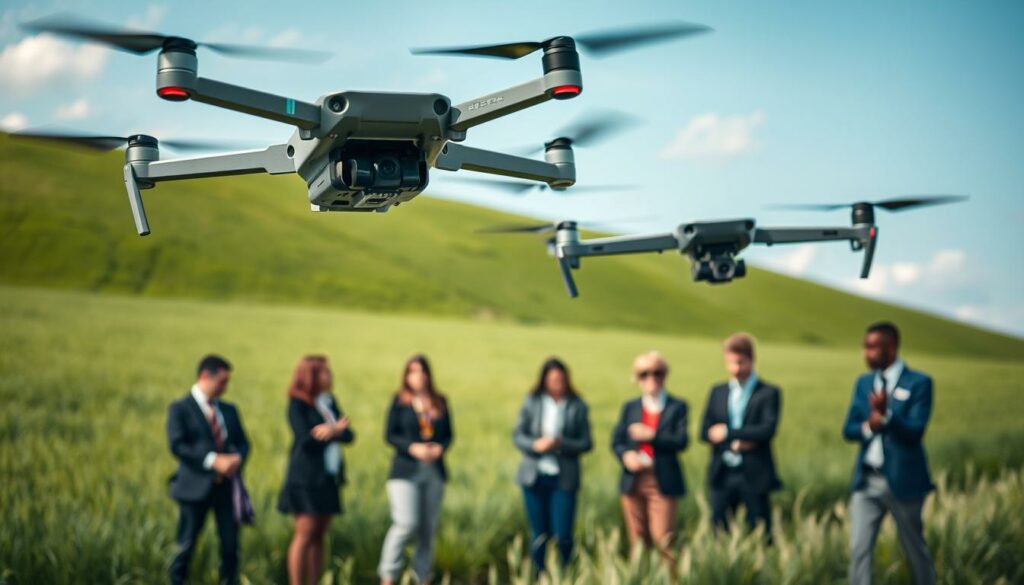
This framework divides into three straightforward subcategories based on proximity to uninvolved people. The plain English names make these limits much easier to remember than previous technical codes.
A1 – Over People: Requirements and Restrictions
The A1 “Over People” subcategory suits lightweight equipment under 250 grams. You can fly over individuals but must avoid gatherings entirely.
This category works perfectly for compact models many creators favour. It offers flexibility for urban filming while maintaining safety standards.
A2 – Near People and A3 – Far from People Explained
A2 “Near People” allows closer proximity when using medium aircraft. With proper certification, you can operate just 30 metres from individuals.
The A3 “Far from People” subcategory serves as the default for larger equipment. It requires maintaining significant distance from residential areas and people.
All operations share baseline rules like visual line of sight and 120-metre altitude limits. These consistent requirements simplify planning your flight sequences.
What I appreciate most is how these clear boundaries actually expand creative possibilities. Knowing exactly what’s permitted removes guesswork and lets you focus on capturing great content.
Impact on Video Creators and Commercial Operators
Professional aerial filming now carries distinct responsibilities that separate commercial work from hobbyist use. The new framework recognises that paid operations demand higher standards and proper documentation.
Pilot Registration and Competency Considerations
Virtually all equipment used for video production will require registration. You’ll need both a Flyer ID for the pilot and an Operator ID displayed on your aircraft.
The A2 Certificate of Competency remains valid and valuable beyond the changes. This qualification significantly expands what you can film, especially with UK2 class equipment.
I strongly recommend this training even if you currently use smaller models. It future-proofs your capabilities and opens up more client projects.
Operational Implications for Professional Use
Commercial operators must follow the UK SORA framework for complex work. For standard visual line of sight flight, PDRA-01 remains available.
You’ll need to update several key documents:
- Your Operations Manual reflecting new requirements
- Insurance policies to ensure proper coverage
- Training records and competency certificates
The phased Remote ID implementation gives operators strategic planning time. Class-marked fleets need compliance from 2026, while legacy equipment has until 2028.
What I appreciate is how these changes professionalise our industry. Full compliance becomes a competitive advantage that reassures clients and potentially reduces insurance costs.
Legacy Drones and Transitional Considerations
If you own equipment purchased before the new rules take effect, I have good news. Your investment is protected. These aircraft are classified as legacy models and remain fully legal for use.
They operate under specific transitional conditions. These rules are based on the weight of your aircraft and your pilot qualifications.
This framework allows your current fleet to continue serving your video projects. You can plan upgrades at a pace that suits your budget and needs.
Current Regulations for Non-Class-marked Drones
The operational freedoms for your legacy drones depend heavily on their mass. The rules are straightforward but important to understand.
For models under 250 grams, you can continue filming under A1 “Over People” rules. This offers fantastic flexibility with minimal new restrictions.
Heavier legacy drones face different conditions. By default, they must operate in the A3 “Far from People” category.
Holding an A2 Certificate of Competency changes this. It allows you to fly legacy aircraft under 2kg in A2, maintaining a 50-metre distance.
| Aircraft Weight | Standard Operating Category | Requirement for A2 Category Use |
|---|---|---|
| Under 250g | A1 “Over People” | No additional requirements |
| 250g to 2kg | A3 “Far from People” | Valid A2 CofC required |
| Over 2kg to 25kg | A3 “Far from People” | Must operate in A3 only |
Planning for Future Upgrades
A key limitation is that legacy models cannot use the reduced separation distances of new UK2 class drones. This is a significant operational difference for complex shots.
I suggest creating an inventory of your fleet. Identify which aircraft are most affected by the new conditions. Prioritise upgrading these first.
The extended timeline for Remote ID gives you strategic breathing room. You can make thoughtful decisions about new equipment placed on the market.
This sensible approach shows an understanding of the investments creators have made. It allows for a smooth transition without forced obsolescence.
Comparison with EU Drone Regulation Framework
For creators working across borders, understanding how UK rules align with European frameworks is crucial. The British system is explicitly built on retained EU law while incorporating distinctive modifications.
This hybrid approach ensures both compatibility and sovereignty. It reflects a pragmatic balance between international cooperation and national priorities.
Key Similarities to the EU System
The fundamental class marking structure shows clear parallels to EASA’s C0-C6 framework. The UK adopts a parallel UK0-UK6 system covering similar weight categories.
This alignment makes cross-border understanding relatively straightforward. Equipment certified under EU standards remains recognised until December 2027.
For example, a C1-classified model equals UK1 classification during this transitional period. This protects investments in European-certified equipment.
Distinctive Features of the UK Approach
The UK has adapted the administrative and enforcement framework to reflect British regulatory structures. The CAA’s enhanced role as Market Surveillance Authority is a key difference.
Operational details also reflect British airspace characteristics. The implementation timeline and specific regulations show distinctive national preferences.
What I find particularly valuable is how the class marking system potentially grants operators more freedom. This is especially true in A1 and A2 subcategories where properly marked aircraft enjoy clearer privileges.
While the regulations share common roots, creators should monitor both systems independently. After 2027, the frameworks may diverge further as each jurisdiction evolves its approach.
Technical Specifications and Manufacturer Requirements
Behind every class mark lies a set of rigorous technical specifications that manufacturers must build into their aircraft. These requirements ensure consistent performance across different models and brands.
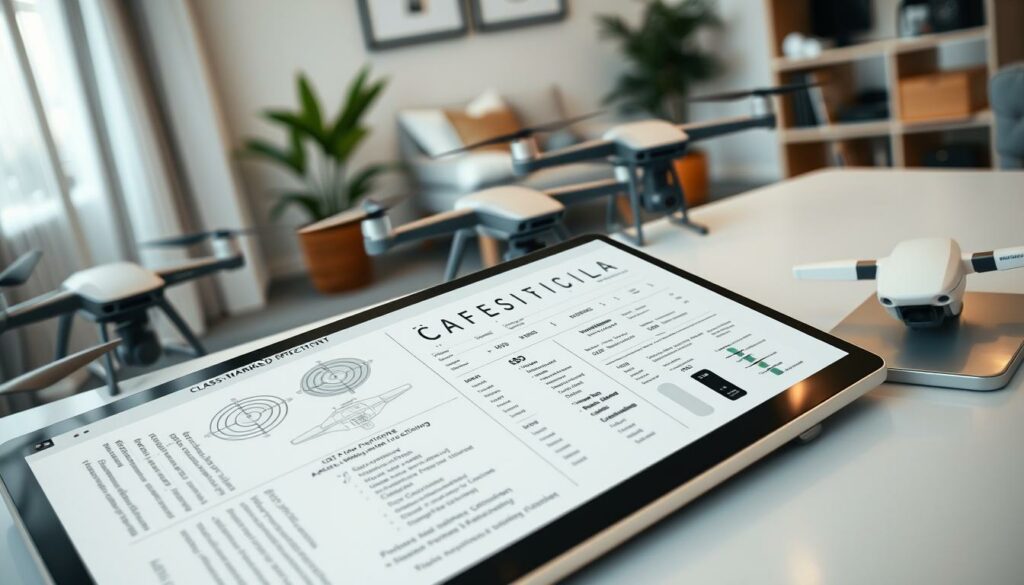
Understanding these technical standards helps you evaluate whether equipment genuinely meets its claimed capabilities. I find this transparency particularly valuable when selecting new gear.
Safety and Performance Standards
Each class rating carries distinct safety requirements. UK1 aircraft must include low-speed mode, impact energy limits, and built-in Remote ID. These features reduce injury risk during operations.
UK2 class equipment needs a low-speed mode limiting velocity to 3 metres per second. This enables the reduced 5-metre separation distance from people. It’s perfect for event filming.
All class-marked aircraft must have control lights and at least one green flashing light for night visibility. This standardises safety across different models.
Class Marking and Registration Obligations
The physical class marking must appear on the aircraft itself. You cannot simply claim a certain class without this visible mark. It provides immediate verification for operators and authorities.
Remote ID must broadcast your operator identification number, aircraft serial number, and current position. This uses approved technical standards for reliability.
Manufacturers must assign unique serial numbers compliant with ANSI/CTA-2063 standards. This creates a traceable chain from production to operational use.
| Class Mark | Critical Safety Features | Operational Limits |
|---|---|---|
| UK1 | Low-speed mode, impact energy limits, geo-awareness | A1 “Over People” category operations |
| UK2 | 3 m/s speed limit, green flashing light, Remote ID | Reduced 5m separation distance from people |
| All Classes | Visible class mark, control lights, serial number | Compliance with CAA-approved standards |
These technical requirements mean you can trust properly class-marked equipment. It has undergone rigorous assessment and meets defined limits. This reduces your technical due diligence burden.
What I appreciate is how these specifications create consistent performance conditions. The CAA’s market surveillance role ensures manufacturer compliance, protecting consumers from misleading claims.
Steps to Ensure Compliance for Your Drone Operations
Let me walk you through a practical checklist to keep your aerial work fully compliant. Staying on top of these changes will ensure your filming projects proceed smoothly.
Preparation and Upgrading Your Fleet
Start by completing registration for all aircraft weighing 100 grams or more. You’ll need a Flyer ID through the online theory test. If your equipment has cameras, secure an Operator ID too.
Conduct a comprehensive fleet audit to check class marks. This confirms which Open Category subcategory you’re authorised to fly in. Identify any operational limitations based on your equipment’s classification.
For night operations, fit flashing green lights to all aircraft regardless of class. Plan your Remote ID activation schedule carefully. Different equipment types have different deadlines.
Ongoing Monitoring and Record Updating
Update your Operations Manual to reflect the new framework. Review insurance coverage to ensure it meets current requirements. Refresh your training records to demonstrate current competency.
If your work requires Specific Category operations, follow the UK SORA framework. This may require operational authorisation from the CAA. It involves detailed risk assessment and mitigation planning.
Establish calendar reminders for key compliance deadlines. Stay informed about CAA guidance updates and industry best practices. Maintain detailed flight records for all commercial work.
This systematic approach protects you while demonstrating professionalism to clients. Proper documentation shows you take safety and compliance seriously.
Conclusion
Looking ahead, the evolution of unmanned aviation presents a clear path forward for dedicated video professionals. I see these regulatory changes as an opportunity to elevate our craft while ensuring safer shared airspace.
For remote pilots who embrace certification and compliant equipment, the rewards are significant. Class-marked aircraft offer greater operational freedom, reducing compliance risk for complex filming projects.
View these rules not as restrictions but as professional standards that distinguish serious creators. Proper planning and adherence to the code will open doors to higher-value work.
I encourage you to see compliance as your competitive advantage. The future of aerial content creation looks bright for those who prepare thoughtfully and operate responsibly.
FAQ
What are the main differences between the old rules and the new UK drone regulations?
The biggest change is the introduction of a class system, where unmanned aircraft get a specific class mark (like UK0 to UK6). This mark tells you exactly where and how you can fly. It’s a move away from just weight-based categories to a system focused on the aircraft’s proven safety features.
I use my drone for my video production business. How do these changes affect my commercial operations?
If you’re a professional operator, you’ll likely be working in the ‘Specific Category’. This means you’ll need an operational authorisation from the Civil Aviation Authority. The requirements for your remote pilot competency and your risk assessment will be more detailed than for hobbyists in the Open Category.
My current drone doesn’t have a class mark. Can I still fly it after 2026?
A> Yes, you can, but under transitional arrangements. Legacy drones without a class mark can be flown in the A3 subcategory of the Open Category, which means you must keep them far from uninvolved people. It’s a good idea to check the CAA’s website for the exact cut-off dates for these provisions.
What is Remote ID, and when do I need to have it?
Think of Remote ID as a digital licence plate for your unmanned aircraft. It broadcasts information like your registration number and location. The implementation is being phased in, with deadlines depending on your drone’s class. New class-marked models will have it built-in, and it’s a key part of future airspace safety.
How do I know which subcategory—A1, A2, or A3—I can fly in?
The subcategory you operate in depends on the class mark of your aircraft and your own qualifications as a pilot. For instance, flying a smaller class-marked drone over people (A1) has fewer restrictions than flying near people (A2), which requires more training. Always check your drone’s manual and the CAA’s guidance to be sure.
Do I need to take a new test or get more training?
It depends on what you want to do. Flying in the A2 subcategory, for example, requires you to pass a theoretical knowledge exam. Even for the basic A1 and A3 subcategories, you’ll need to take a free online test to get your Flyer ID. I’d recommend looking at the official CAA training providers for the most up-to-date courses.
Are the UK’s new regulations the same as the EU’s drone laws?
They are very similar, as the UK framework is based on the same core principles as the EU’s EASA regulations. This is great for safety standards. However, there are some distinctive features, like the UK class marks (UK0-UK6) and our own authority, the CAA, managing the system instead of EASA.