
What if your dream aerial shot over a Spanish beach could land you with a hefty fine? Many enthusiasts don’t realise how complex operating an unmanned aircraft has become.
I’ve created this guide because I understand how confusing the regulatory framework can be. Whether you’re flying for fun or for work, knowing the current rules is absolutely essential. The system for these devices has evolved significantly.
This guide aligns with the broader European framework, giving you the confidence to operate legally. You’ll find clear information on registration, your responsibilities as an operator, and where you can fly.
Staying informed protects you from unexpected penalties. Let’s explore what you need to know for the future.
Key Takeaways
- Understanding the regulatory framework is crucial for all pilots.
- The rules integrate with broader European safety standards.
- Registration is a mandatory step for legal operation.
- Specific flight restrictions apply in various zones.
- Comprehensive insurance is often a legal requirement.
- Ignorance of the regulations does not exempt you from fines.
- This guide is tailored for UK residents and international visitors.
Introduction and Overview
Navigating the rules for unmanned aircraft operations became an unexpected education. I discovered that what pilots actually need to know goes far beyond basic flying skills.
My Journey to Understanding Drone Regulations in España
My experience flying over time revealed how complex the regulatory framework can be. I learned through trial and error what information matters most for safe operations.
This journey gave me deep insight into what different types of operators require. From hobbyists with lightweight models to professionals conducting commercial work, everyone faces unique challenges.
Key Changes in the 2026 Regulatory Framework
The Royal Decree 517/2024 fundamentally changed the legal regime for civil use of UAS. This decree established new requirements for geographical areas and airspace use.
Most recreational and commercial operations fall under open or specific categories. The transition from national standard scenarios to European STS requirements represents significant harmonisation with EASA standards.
Understanding these changes is essential for anyone planning to operate in Spanish territory. The time invested in learning these rules prevents potential issues and ensures compliance.
These updates reflect Spain’s commitment to safety while addressing local conditions. People visiting from other countries should familiarise themselves with these European rules before flying.
drone laws spain 2026: Registration, Identification and Liability
Before you even think about taking to the skies, there are some fundamental administrative steps you’ll need to complete. Getting these right from the start will save you from potential headaches later.

Mandatory Registration and Operator Identification
Every unmanned aircraft must be registered with AESA, regardless of its weight. This process gives you an operator number that’s valid across all EU states.
Your registration number combines with three secret digits from your AESA profile. This creates the remote identification required for devices purchased after January 2024.
You must display this operator number visibly on your equipment using a sticker. Remember that registration differs from pilot licensing – one identifies you as the responsible party, while the other certifies your flying skills.
Insurance Requirements and Liability Considerations
Liability coverage became compulsory under recent regulatory changes. The specific requirements depend on your aircraft’s maximum take-off mass.
For lighter models under 20kg, you’ll need approximately €264,000 in coverage. Heavier equipment between 20kg and 500kg requires around €900,000 protection.
While continuous insurance isn’t strictly mandatory, it provides essential peace of mind. Having appropriate coverage for each flight protects you from unexpected liabilities.
Regulatory Requirements for UAS Operators
Whether you’re coming from another European country or outside the EU, the requirements for flying in Spanish airspace vary significantly. The framework depends on your registration status and the type of operation you plan to conduct.
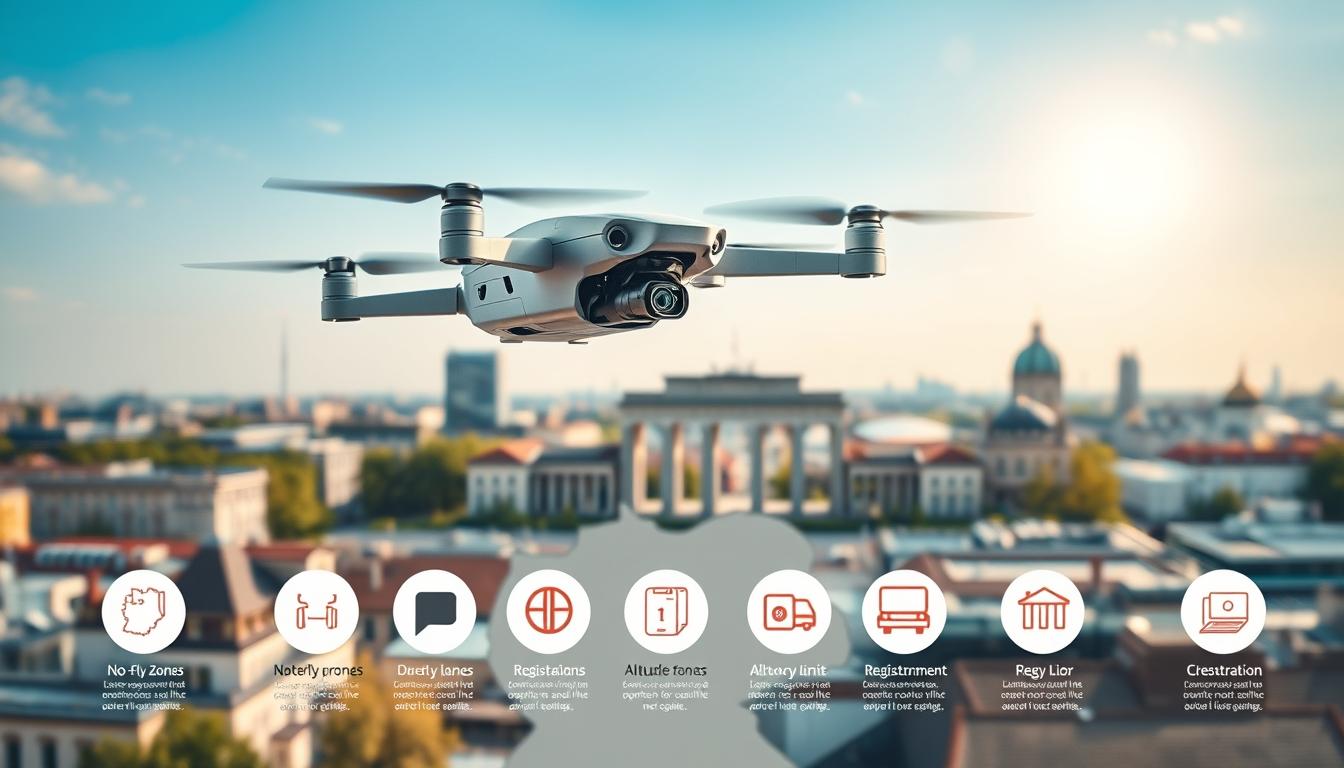
Guidelines for EASA Member State Operators
For operators registered in EASA member states, the process is relatively straightforward. You must be registered in your home state where you have residence or principal business operations.
For open category operations, key requirements include proper registration with your operator number displayed on the aircraft. You’ll also need to ensure your remote pilots have adequate training for their specific subcategory.
Specific category operations offer three pathways: Standard Scenario declarations, operational authorisations, or Light UAS Operator Certificates. Each option has distinct training and documentation requirements.
Essential Steps for Third-Country Operators
Operators from non-EASA countries must register in the first member state where they intend to conduct operations. If Spain is your first destination, you’ll follow the same procedures as local operators.
Pilot training certificates from any EASA state are valid throughout all member countries. However, flying in controlled airspace or Flight Information Zones requires additional specialised training.
Remember that while AESA courses are only available in Spanish, you can obtain required training from any EASA member state authority. This flexibility makes cross-border operations much more accessible.
Navigating Flight Zones and Operational Procedures in España
The most critical skill for any pilot isn’t flying technique but knowing exactly where you’re permitted to operate. Spain’s airspace contains numerous protected zones that require careful navigation.
Understanding Airspace Restrictions and Geographical Zones
Before every operation, check the ENAIRE drones map. This essential tool shows prohibited (P), restricted (R), and dangerous (D) areas. You’ll also find temporary NOTAM notifications with specific dates.
Maintain a maximum altitude of 120 metres and keep your aircraft within visual line of sight. Stay 5-8km from airports and controlled airspace unless local permits allow closer access.
Protected environmental zones like ZEPA areas and national parks are strictly off-limits. In Tenerife, flying over Chinyero Reserve recently resulted in a €600 fine.
Obtaining Permits and Coordinating with Authorities
Some zones permit flight but restrict photography. For these ZRVF areas, you’ll need a Ministry permit through CECAF, which takes 5-10 working days.
Flying near urban areas requires prior notification to the Ministry of Interior. Penalties range from hundreds to €225,000 for serious infractions.
Always verify the map before each flight. The complex restrictions in places like Tenerife catch many people unaware.
Conclusion
As we wrap up this comprehensive guide, remember that responsible flying starts with proper preparation. I’ve found that focusing on five key requirements makes compliance straightforward: complete registration with your operator number displayed, obtain appropriate pilot training, secure liability insurance, understand all applicable rules, and always check the ENAIRE map before flights.
These standards apply universally across all operation categories, from simple recreational use to complex professional operations. Whether you’re flying lightweight aircraft or heavier equipment, the same fundamental principles protect everyone.
For specific questions, contact AESA’s UAS Division at drones.aesa@seguridadaerea.es. They offer comprehensive guides in English covering cross-border procedures and geographical zones.
Taking the time to understand these drone regulations ensures safe operations that protect people and the environment. This knowledge transforms flying from a potential risk into a rewarding experience.
FAQ
Do I need to register my aircraft before I fly in Spain?
Yes, registration is mandatory. You must register as a UAS operator with AESA, Spain’s aviation safety agency. This gives you a unique operator number that you must display on your aircraft.
What kind of liability insurance do I need?
You are legally required to have third-party liability insurance. This cover protects you if your aircraft causes damage to property or injury to people. The minimum amount of cover depends on the specific category of your operation.
Where can I find a map of no-fly areas?
The best resource is the official ENAIRE Drones app or website. It provides an interactive map showing all geographical zones, including restrictions near airports, urban areas, and other sensitive locations.
I’m visiting from outside the EU. What are the rules for me?
If you’re a pilot from a third country, you must follow specific recognition procedures. This often involves proving you hold a certificate equivalent to the EU’s and registering as a temporary operator upon arrival.
What are the main pilot training requirements?
The training you need depends on which operational category you fly in—Open, Specific, or Certified. For most recreational flights in the Open category, you’ll need to complete an online course and pass a theoretical exam.
Can I fly my drone over groups of people?
Flying over assemblies of people is generally restricted. In the Open category, it’s prohibited. Such operations typically fall into the Specific category, requiring a formal operational authorisation from AESA based on a thorough risk assessment.