
I’ve noticed how the landscape for operating these flying devices has transformed dramatically across Europe. Germany has emerged as a crucial hub for both recreational enthusiasts and commercial operators. The country has skilfully integrated the EU’s harmonised aviation framework while adding its own specific amendments.
The surge in unmanned aircraft usage across Deutschland is remarkable. From amateur photographers to professional surveyors, understanding the current rules is absolutely essential. Recent security developments, including increased suspicious sightings, have significantly influenced the regulatory environment.
In this comprehensive guide, I’ll help you navigate the complex intersection of European law and national requirements. We’ll cover registration needs, operational categories, insurance obligations, and practical safety tips. Staying informed isn’t just about avoiding penalties—it’s about ensuring protection for everyone and safeguarding the future of this exciting technology.
Key Takeaways
- Germany has implemented EU-wide aviation rules with specific national adaptations
- Understanding current regulations is crucial for all operators in 2026
- Recent security concerns have shaped the regulatory landscape significantly
- Registration requirements and operational categories vary by usage type
- Proper insurance coverage is mandatory for most flying activities
- Safety considerations protect both operators and the general public
- Staying updated helps avoid legal issues and supports responsible aviation
Overview of Drone Regulations in Germany
The EU’s coordinated approach to unmanned flight operations provides a foundation that Germany has built upon with specific national rules. Understanding this dual-layer system is crucial for anyone planning to operate these devices legally.
EU Harmonised Framework and National Amendments
Since December 2020, European aviation standards have created unified regulations across member states. The European Union Aviation Safety Agency (EASA) established this framework, which Germany implements through its national aviation authority, the Luftfahrt-Bundesamt (LBA).
Germany added important amendments to the Air Traffic Act in 2017. These include specific labelling requirements and flight bans over sensitive areas like residential properties and government buildings.
Registration and Certificate Requirements
Registration with the LBA becomes mandatory when your device weighs over 250 grams or has data-recording capabilities. This operator-based system means you register yourself, not individual units.
You’ll receive an e-ID number that must appear on all your equipment. For operations involving heavier models, certificate requirements apply based on risk assessment.
| Operational Category | Risk Level | Authorization Required | Typical Use Cases |
|---|---|---|---|
| Open Category | Low | No prior authorization | Recreational flying, basic photography |
| Specific Category | Moderate | Authority approval after assessment | Commercial surveys, urban operations |
| Certified Category | High | Full certification process | Passenger transport, dangerous goods |
Liability insurance remains mandatory for all devices regardless of weight. This national requirement emphasizes Germany’s commitment to safety in unmanned aviation operations.
Understanding drone laws germany 2026
Before taking to the skies, it’s crucial to grasp how your equipment’s specifications translate into specific legal categories. The framework divides unmanned aircraft into five distinct risk classes based on their hazard potential.
Risk Classes and Permit Requirements
Manufacturers assign these classifications considering weight, speed capabilities, and built-in safety features. I must understand which category my equipment falls into and what requirements apply.
Three application scenarios dictate different operational rules. These consider proximity to people and populated areas. The protection of personal rights for uninvolved third parties is paramount.
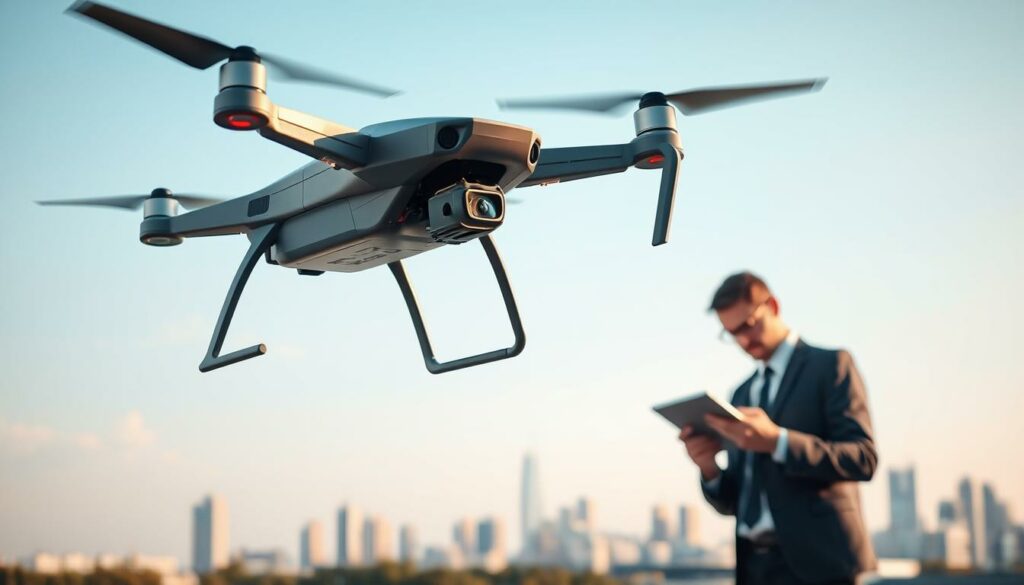
Liability, Insurance and Privacy Considerations
Mandatory liability coverage applies to every single device, regardless of weight. This insurance must protect against potential damage to third parties.
Privacy considerations are equally important. I cannot fly over private property without the owner’s express permission. Filming or photographing people without consent is strictly prohibited.
Operational rules include a 120-meter maximum altitude limit. Visual Line of Sight (VLOS) flying is mandatory—I must keep the equipment in direct view at all times.
Practical Safety and Operational Tips for Drone Pilots
As an operator, my preparation routine begins long before I even power up my equipment. Staying safe and legal requires careful planning and awareness of the evolving security measures across the country.
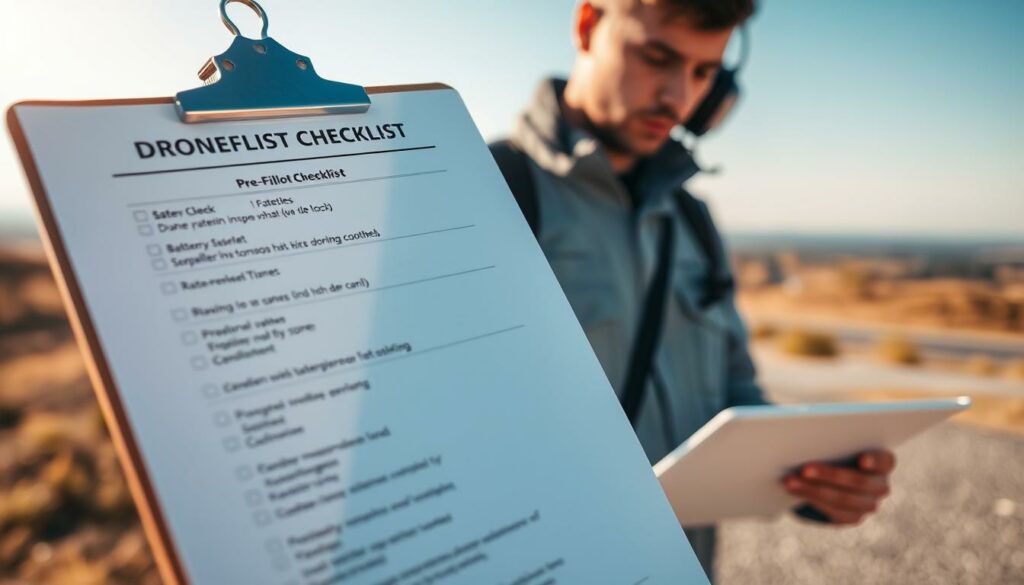
Pre-Flight Preparations and Geo-Zone Checks
I always start by checking official geo-zone maps using tools like the DFS-DrohnenApp. Restricted areas include airports, military sites, and nature reserves. Maintaining visual line of sight and respecting the 120-meter altitude limit is crucial for safe operations.
Counter-Drone Measures and Security Best Practices
Recent security developments mean I must be extra diligent. Authorities documented 850 suspicious sightings near critical infrastructure. A new police unit now operates advanced counter-measures including signal jamming and net-capture systems.
Maintaining Compliance and Staying Informed
I keep my registration documents and insurance certificates handy during every flight. Joining pilot communities and subscribing to LBA updates helps me stay current with temporary restrictions and regulatory changes.
Conclusion
Mastering the requirements for aerial devices means appreciating how regulations serve both pilots and the public. Following the law isn’t just about compliance—it’s about ensuring everyone’s safety while enjoying this incredible technology.
The essential steps are clear: register with authorities, obtain proper certification, secure liability insurance, and always check flight zones. These measures strike a careful balance between enabling innovation and managing risk.
In today’s security-conscious environment, compliance matters more than ever. I view these rules as protective frameworks rather than restrictions. They safeguard privacy and property rights while allowing responsible operation.
Staying informed and flying responsibly defines professional drone pilots. By operating with care and consideration, we can all contribute to a secure airspace. This approach ensures the long-term viability of unmanned aviation in Germany.
FAQ
Do I need to register my model aircraft before I fly it?
Yes, in most cases. If your unmanned aircraft weighs 250 grams or more, you must register yourself as an operator. You’ll receive a unique operator ID that you must mark on all your machines. For lighter craft used purely for sport, the rules can differ, so I always check the latest guidance.
What is the minimum age for piloting these devices?
The minimum age to fly independently is 16. However, younger enthusiasts can operate them if they are directly supervised by a registered adult who meets all the legal requirements. The supervisor is responsible for the entire flight operation.
Am I allowed to fly over people or private property?
Flying directly over uninvolved individuals is generally prohibited unless you have a specific permit and operate in the ‘open’ category’s lowest risk class. Regarding private property, you must always respect privacy. Capturing images or video over someone’s land without permission could lead to serious legal issues.
Is special insurance mandatory for my flights?
Absolutely. You must have valid liability insurance for any flight, regardless of the craft’s weight or where you’re flying. This protects you, the public, and infrastructure from potential damage. My insurance certificate is something I always carry with me.
How can I find out where it’s safe and legal to operate my equipment?
I use official geo-awareness apps, like the one provided by Deutsche Flugsicherung (DFS). These digital tools show real-time maps with restricted zones, such as around airports, nature reserves, and other sensitive areas. It’s my essential pre-flight check.
What should I do if I see unauthorised or suspicious activity?
If I witness an operation that seems dangerous or illegal, such as near an airport, I would immediately contact the local police. They have the authority to respond and investigate. Safety for all airspace users is our shared responsibility.