
What if you could capture breathtaking aerial footage without needing years of piloting experience? That’s the promise behind the latest offering from DJI, and I’ve been putting it through its paces to see if it delivers.
Having flown numerous drones over the years, I was particularly excited to test the Avata 2. This model has generated significant buzz since its April 2024 launch. Many are calling it the perfect tool for creative professionals.
In this comprehensive review, I’ll share my hands-on experience with this impressive fpv drone. I’ve tested it across various scenarios to give you a complete picture of its capabilities.
My goal is simple: to help you decide if this is the right investment for your creative projects. Whether you’re new to drone photography or an experienced pilot, I’ll cover everything that matters.
From image quality and flight performance to durability and value, no stone will be left unturned. Let’s discover if this drone lives up to the hype for content creators.
Key Takeaways
- The DJI Avata 2 represents the latest evolution in fpv drone technology
- This review is based on extensive real-world testing scenarios
- Image quality and flight stability are crucial factors for creators
- The drone’s accessibility makes it suitable for various skill levels
- Value for money is assessed against professional content creation needs
- Build quality and durability are examined for long-term use
- Practical insights help determine if it’s the right tool for your projects
Introduction to My DJI Experience
The journey that led me to this evaluation started with a simple curiosity about what flying from a pilot’s perspective would feel like. Like many enthusiasts, my first proper fpv experience came through the company’s initial dedicated offering.
Setting the Stage
I remember being amazed by how accessible they made immersive flying. Their first dji fpv model truly democratised the hobby. It removed the steep learning curve that typically frightened beginners away.
When the original model launched shortly after, I noticed a strategic shift. The focus moved from raw power to refined image quality and stabilisation. This evolution showed me how the company listens to user feedback.
My FPV Journey Begins
That initial fpv drone opened my eyes to incredible sensations. It felt like actually soaring through air rather than just controlling equipment. This foundational experience gave me valuable context for understanding later improvements.
My time with various drones has shown me how technology evolves to meet creator needs. Each model builds upon previous lessons learned. This progression informs my perspective on current offerings.
| Phase | Key Learning | Impact on My Approach |
|---|---|---|
| Initial FPV Discovery | Accessibility transforms the experience | Understanding beginner-friendly design |
| First Dedicated Model | Immersive flying feels revolutionary | Appreciating goggles integration |
| Evolution to Creator Focus | Stability matters more than speed | Valuing practical improvements |
| Current Evaluation | Context informs better assessment | Recognising meaningful upgrades |
My DJI Avata 2 review
The unboxing experience set the tone for what would become six months of remarkable flying. This model immediately felt like a significant step up from its predecessor.
First Impressions and Setup
Opening the box revealed a device that felt premium in every aspect. The build quality was immediately apparent, with thoughtful design touches throughout.
What impressed me most was how quickly I went from unboxing to airborne. The setup process was remarkably straightforward. Within minutes, I was capturing my first test footage.
“The intuitive design makes you feel confident from the very first flight, even in challenging environments.”
Six-Month Flight Insights
After half a year of regular use, this drone has become my go-to choice for cinematic work. I’ve flown it extensively through forests and tight spaces.
The close-proximity shots I’ve captured would be impossible with traditional drones. The protected design allows for creative angles I never thought possible.
| Aspect | Initial Impression | Six-Month Verdict |
|---|---|---|
| Setup Process | Quick and intuitive | Consistently reliable |
| Build Quality | Premium feel | Durable through extensive use |
| Flight Performance | Immediately stable | Perfect for varied flight styles |
| Image Quality | Promising straight out of camera | Professional-grade results |
The 10-bit colour capture has been a game-changer for my workflow. It gives me significantly more flexibility in post-production compared to previous models.
Throughout my testing, I’ve used Gyroflow for stabilisation. The results rival gimbal-stabilised camera drones, which is quite impressive for an fpv platform.
Features and Specifications Overview
What truly sets this drone apart are its technical features that enhance both creative possibilities and practical usability. The specifications reveal thoughtful improvements across key areas that matter most for content creation.
O4 Transmission and Camera Performance
The O4 transmission system delivers exceptional signal reliability. I found it maintains a stable connection even when flying through dense woodland with multiple obstacles.
Camera performance stands out as a significant upgrade. The 1/1.3-inch CMOS sensor captures noticeably better image quality than previous models. It handles challenging lighting conditions with impressive results.
This setup shoots 4K at 60fps or 1080p at 120fps with a 130Mbps bitrate. The fixed f/2.8 aperture and 12MP resolution produce sharp, detailed footage. I appreciate the camera’s tilt range from -95 to 90 degrees for creative angles.
Battery Life and Flight Time
Battery life sees a welcome improvement with the 2150mAh power unit. Flight time typically reaches 23 minutes, extending to 26 minutes in ideal conditions. This represents a substantial boost over earlier versions.
The extended flight time means I can capture more content per session. It reduces interruptions for battery swaps, keeping me focused on creative work. This practical enhancement makes a real difference during shoots.
Design, Build and Durability
When it comes to physical construction, this model showcases some of the most thoughtful engineering I’ve encountered in recent years. The complete redesign features a longer wheelbase measuring 7.26 x 8.35 x 2.52 inches with a flatter frame that improves aerodynamics significantly.
I was pleasantly surprised to find it weighs 1.06oz less than its predecessor. This weight reduction contributes to better flight performance and extended battery life in a clever way.
Innovative Ducted Guards
The ducted guards represent one of my favourite design features. They’ve saved my drone countless times during tight forest flights where I’ve accidentally clipped branches or grazed tree trunks.
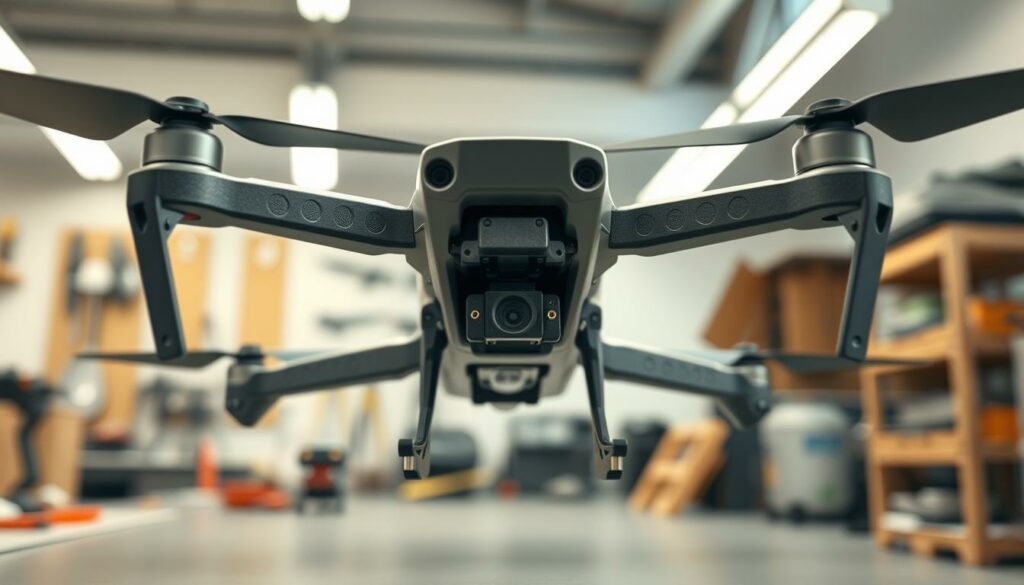
I’ve tested the durability extensively, and these protective rings have proven brilliant at shielding the rotors. They allow the device to bounce off obstacles and continue flying where traditional drones would crash.
The turtle mode feature has also proven invaluable. On several occasions when I’ve landed upside down, it lets me flip the drone over remotely without manual intervention.
Concerns on Repairability
However, I do have concerns about the repairability approach. With the original Avata, you could order replacement frames or individual ducts from the DJI website or Amazon.
This isn’t possible with the current model, which worries me. Significant damage could mean replacing the entire unit rather than swapping components the way I could before.
I genuinely hope the company addresses this in future iterations. A fully modular design would give pilots more confidence to push limits, knowing repairs would be straightforward.
Controller and Goggles Innovations
What really transforms the flying experience is the intuitive control interface and immersive viewing system. These components work together to create a seamless connection between pilot and machine.
DJI Motion Controller 3 Advantages
The motion controller has genuinely grown on me during testing. I now prefer it for capturing slow, cinematic shots where precision matters most.
Adjusting the camera angle feels incredibly natural – simply move the controller up or down. This intuitive motion control beats traditional scroll wheels hands down.
The Easy Acro feature lets me perform complex manoeuvres like flips and rolls with a button press. Recently added Power Loops expand creative possibilities even further.
Enhanced Goggles 3 Features
The latest goggles represent a significant upgrade. The defogging feature solves the frustrating issues I experienced with previous versions.
Binocular cameras on the front provide picture-in-picture passthrough. This lets me check surroundings without removing the headset.
Dual 1080p Micro-OLED displays deliver crisp, smooth imagery at up to 100Hz. Low blue light certification means I can fly longer without eye strain.
The battery moved to the back strap improves weight distribution dramatically. A dial tightening system ensures secure, comfortable fit during extended sessions.
Flight Modes and Safety Features
Safety and excitement don’t have to be mutually exclusive when you have well-designed flight modes at your fingertips. The three available options cater to every skill level, from absolute beginners to seasoned professionals.
Normal and Sport Flight Dynamics
I’ve found Normal mode absolutely brilliant for confined spaces. It provides maximum safety with obstacle avoidance and stabilisation. This makes it nearly impossible to crash, perfect for building confidence.
Sport mode delivers that thrilling FPV experience without requiring advanced skills. It offers higher speeds and more agile handling while disabling obstacle sensing. The transition between modes feels incredibly smooth.
Easy Acro and Power Loops Experience
The Easy Acro feature has been a revelation for Motion Controller users. It allows impressive flips, rolls, and Power Loops without years of practice. This accessibility truly democratises advanced manoeuvres.
However, I must be honest about the full manual mode. When testing it, the drone felt like it required constant correction. It wasn’t tuned as precisely as dedicated FPV quadcopters. I’d strongly recommend simulator practice first.
| Flight Mode | Best For | Skill Level | Safety Features |
|---|---|---|---|
| Normal | Beginners & tight spaces | Novice | Full obstacle avoidance |
| Sport | Thrilling footage | Intermediate | Basic stabilisation only |
| Manual | Advanced aerobatics | Expert | No assistance |
For pilots wanting GPS, return-to-home, and panic buttons, these flight options offer the perfect balance. The control system adapts beautifully to your growing skills.
Image and Video Quality Explored
Capturing professional-grade aerial content requires exceptional image capabilities, and this is where the latest model truly excels. The visual performance represents a significant leap forward from previous generations.
1/1.3-inch Sensor Benefits
The larger sensor makes an immediate difference in dynamic range. Shadows now contain visible detail rather than appearing as black voids. Highlights remain well-balanced without blowing out.
This improvement is particularly noticeable during golden hour flights. The enhanced sensor captures nuanced lighting that previous models struggled with. The difference in image quality is genuinely remarkable.
Colour Dynamics and 10-bit Footage
I appreciate having the option to shoot in D-Log M for maximum grading flexibility. The 10-bit colour depth provides substantial headroom for creative adjustments. Standard mode works brilliantly for immediate use.
Recording at 4K 60fps allows smooth slow-motion effects. The 1080p 120fps option enables even more dramatic slow-motion creativity. Both settings deliver crisp, detailed footage.
| Recording Mode | Best Use Case | Creative Flexibility |
|---|---|---|
| 4K 60fps D-Log M | Professional colour grading | Maximum dynamic range |
| 4K 60fps Standard | Quick turnaround projects | Ready-to-use footage |
| 1080p 120fps | Slow-motion sequences | Dramatic time effects |
ND filters prove essential for achieving proper motion blur on bright days. The overall video performance rivals some traditional camera drones. This represents outstanding value for content creators.
Comparisons with Previous DJI Models
Putting this drone in context with other models helps clarify its unique position in the market. Understanding the evolutionary steps from earlier versions reveals where the real improvements lie.
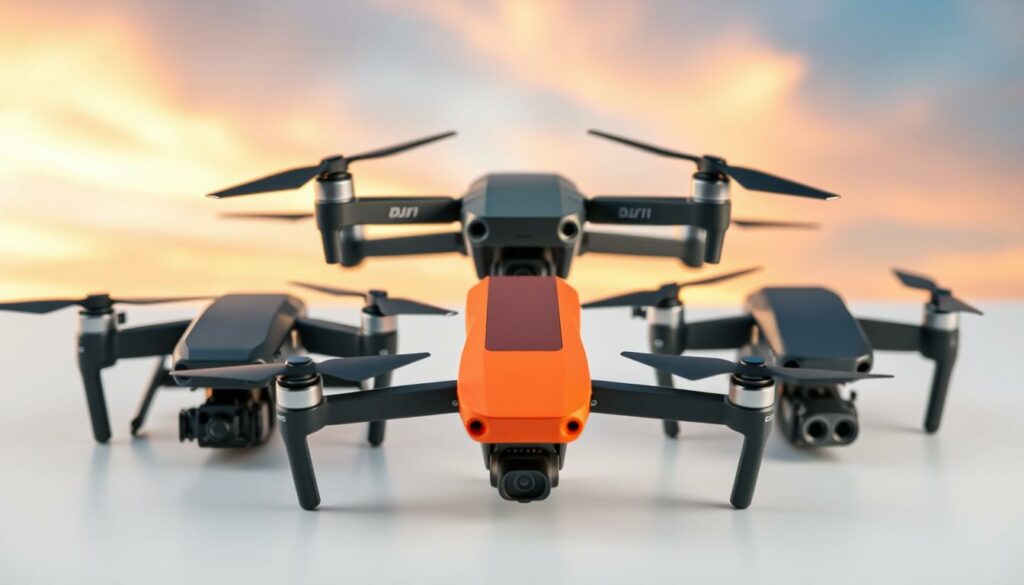
Avata 2 vs Original Avata
The improvements over the original model are substantial. I noticed the 30g weight reduction immediately during flight testing. The longer wheelbase creates noticeably better stability.
Video quality sees a significant upgrade with the larger sensor and 10-bit colour capability. Footage now has richer tones and greater flexibility in post-production. The device operates much quieter too, which is appreciated in public spaces.
Differences with Other DJI Drones
It’s important to recognise that camera capability doesn’t match dedicated photography drones like the Air 3S or Mavic 3 series. However, that’s not really a fair comparison given their different purposes.
The key differences become apparent in flight characteristics. Traditional GPS drones have exposed props that crash when touching branches. This model’s ducted guards allow safe navigation through tight spaces where others would fail.
While other fpv drones might offer superior image quality, they can’t match this device’s ability to capture dynamic footage while having fun flying. The balance between performance and accessibility is where it truly excels.
User Experience and Practical Performance
The true test of any flying machine comes not from specifications but from daily practical application. My six-month journey with this model has transformed it from a new gadget to my most trusted creative partner.
Handling in Confined Spaces
I’ve discovered this drone’s remarkable talent for navigating tight spaces. Flying through forest gaps and around obstacles became an enjoyable experience rather than a nerve-wracking challenge.
The handling characteristics give me confidence other drones cannot match. When I accidentally brush against branches, the protected design allows continuation rather than catastrophe.
This practical performance means I capture shots that would be impossible with traditional models. The way it bounces off obstacles and keeps flying demonstrates superior durability.
One feature I particularly appreciate is the goggles’ passthrough view. When I heard voices behind me recently, I could quickly check my surroundings without removing the headset.
The overall flying experience delivers a lot of value. It accommodates different styles from cinematic work to adrenaline-filled adventures. This versatility makes it my favourite aircraft for creative projects.
Pricing, Availability and Value for Money
Understanding the investment required for this equipment helps determine if it aligns with your creative budget and needs. The good news is that the pricing structure offers flexibility for different users.
Since its April 2024 launch, the availability has been excellent through the manufacturer’s website and Amazon. You can choose between several package options to suit your requirements.
The Fly More Combo represents outstanding value for newcomers. Starting at £879, this set includes the drone, Goggles 3, and Motion Controller 3. Everything fits neatly in the included black carry bag for easy transport.
For extended flying sessions, the three-batteries option at £1,049 makes perfect sense. Individual batteries can be costly when purchased separately. The charging hub functions as a power bank with useful power consolidation features.
If you already own compatible equipment, there’s an option to purchase just the drone with one battery for £489. This cost-effective approach works well for upgrades. The Remote Controller 3 remains available separately for traditional stick control enthusiasts.
Considering the Goggles 3 alone would cost hundreds separately, the complete package offers remarkable value. Multiple batteries ensure you maximise your flying time without constant recharging breaks.
Conclusion
Looking back on my extensive testing period, I can confidently say this equipment has exceeded my expectations. I’m genuinely thrilled with how this drone performs and it’s become my absolute favourite to fly.
The combination of professional results and pure flying enjoyment makes it exceptional. This summer, it was probably the drone I used most frequently for creative projects.
The ability to capture cinematic footage while having genuine fun separates it from traditional camera drones. This feature appeals to both experienced pilots and newcomers to fpv flying.
For pilots wanting to expand their creative offerings, it provides fantastic opportunities. The ability to achieve shots that were previously challenging is remarkable.
I’m excited to see what comes next in the fpv space. This model sets a high standard for future developments.
Overall, if you’re seeking new excitement in your flying or need reliable equipment for client work, this drone delivers perfectly. It successfully bridges accessible operation with professional results.
FAQ
Is the DJI Avata 2 suitable for beginners?
Absolutely. I found it incredibly welcoming for newcomers. The inclusion of the motion controller and features like Normal mode make the initial learning curve much gentler than with traditional FPV drones. It’s designed to build your confidence.
How durable is the Avata 2 in a crash?
From my experience, it holds up surprisingly well. The innovative ducted guards are a game-changer, absorbing a lot of impact. While it’s tough, I do have some concerns about repairability if a more serious component like the camera is damaged.
What is the real-world flight time I can expect?
I consistently got around 15 minutes of flight time per battery during my tests. This is fantastic for an FPV drone and gives you plenty of opportunity to capture footage without constantly worrying about power.
Can I fly the Avata 2 in manual mode?
Yes, you can. It offers a full manual mode for experienced pilots seeking complete control. For those wanting to try acrobatics more safely, the Easy Acro feature is a brilliant stepping stone that I really enjoyed using.
How does the video quality compare to other drones?
The image quality is impressive. The 1/1.3-inch sensor captures a lot of light, and the ability to record 10-bit footage gives you much more flexibility for colour grading in post-production. It’s a significant step up for content creation.
Are the new DJI Goggles 3 a big improvement?
I think they are. The O4 transmission system provides a super stable and clear feed, which is crucial for FPV flight. The overall design and feature set, like the ability to record directly from the goggles, enhance the entire flying experience.
Is it easy to transport the drone and its accessories?
It’s quite portable. The compact design of the drone itself, along with the relatively small goggles and controller, means it all fits nicely into a modest-sized carry bag. This makes it great for taking on adventures.