
After six months of intensive use across travels, personal projects, and client work, I’ve discovered something remarkable about my go-to filming equipment. This isn’t just another piece of tech—it’s become an extension of my creative vision.
When this model launched in October 2024, I was sceptical about whether it could truly replace my higher-end options. At 724g, it felt substantial yet manageable. What surprised me most was how quickly it dominated my equipment choices.
The camera system alone has transformed my YouTube content creation process. I’ve consistently chosen this device over models like the Mavic 3 Pro and Inspire 3 for most projects. The combination of exceptional flight time, impressive speed, and advanced safety features creates a package that’s hard to ignore.
Throughout this comprehensive assessment, I’ll share why this has become my absolute favourite tool for professional work. I’ll cover real-world testing scenarios, technical specifications, and comparisons with other options in its class.
Key Takeaways
- Six months of real-world testing across various professional scenarios
- Superior performance compared to higher-end models in many situations
- Remarkable flight duration and speed capabilities
- Advanced safety systems that inspire confidence during complex shoots
- Camera quality that transforms content creation for YouTube and client work
- Robust transmission system maintaining reliable connectivity
- Ideal balance of professional features without cinema-level pricing
Product Overview and Key Features
The technical foundation of this aerial tool is where its true power begins to unfold. Its specification sheet reads like a creator’s wish list, packed with professional-grade capabilities.
Essential Specifications and Capabilities
At the heart of the system lies a formidable dual-camera setup. The wide-angle lens features a large 1-inch CMOS sensor, capturing stunning 50-megapixel stills. Its telephoto counterpart uses a 1/1.3-inch sensor for 48-megapixel images.
Video performance is equally impressive. Both cameras support 4K recording at up to 120fps. This high frame rate is perfect for smooth slow-motion sequences. The 10-bit colour depth with HLG and D-Log M profiles provides immense grading flexibility.
I’ve found the claimed 14 stops of dynamic range to be accurate in practice. It preserves detail in both shadows and highlights, crucial for challenging lighting. The inclusion of 42GB internal storage is a fantastic safety net for longer shoots.
| Feature | Wide Camera (24mm) | Tele Camera (70mm) |
|---|---|---|
| Sensor Size | 1-inch CMOS | 1/1.3-inch CMOS |
| Photo Resolution | 50 MP | 48 MP |
| Max Video | 4K/120fps | 4K/120fps |
| Vertical Video | 2.7K/60fps | |
Highlights from Recent Test Flights
The O4 transmission system delivers exceptional reliability. I’ve experienced a solid, low-latency HD video feed even at significant distances. This inspires confidence when framing complex shots.
Weighing 724g, the drone feels substantial yet portable. Its 45-minute maximum flight time is a game-changer. It allows for extended sessions without the constant worry of battery swaps.
DJI Air 3S review: My Personal Experience
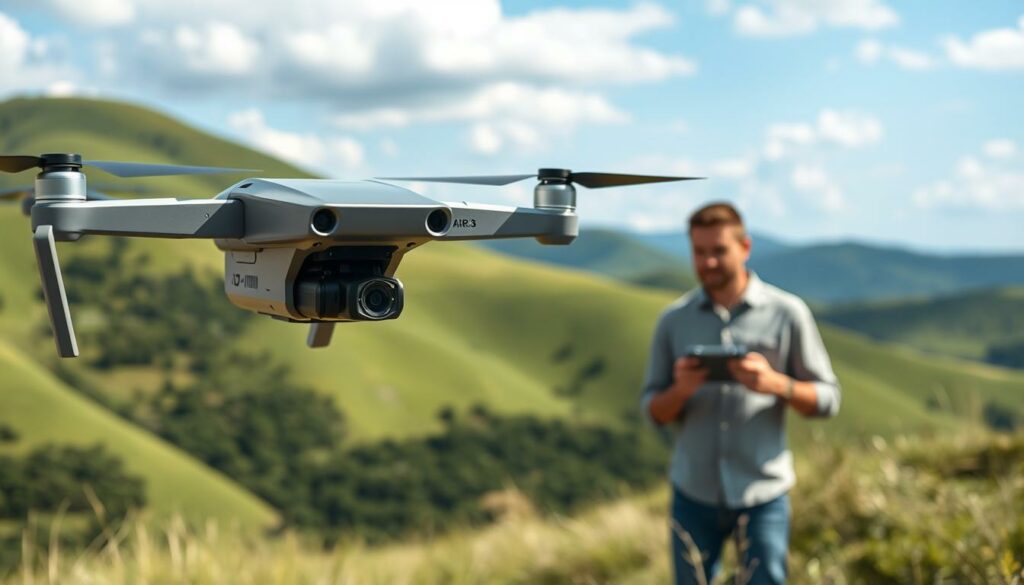
Field testing in real-world conditions gave me genuine insights into how this equipment performs when it matters most. I’ve taken it through diverse environments that truly challenged its capabilities.
Real-World Testing Scenarios
My winter shoot at Michigan’s Taquamenon Falls presented extreme backlit conditions. The 50-megapixel images captured remarkable detail in both bright snow and deep shadows. The dynamic range handled this difficult exposure scenario beautifully.
Zooming into the files revealed incredible texture retention. Individual snowflakes and clothing details remained crisp. Even facial features showed exceptional clarity despite the challenging lighting.
Collaborating with Weber County Search and Rescue in Utah tested the camera’s limits. Filming the world’s largest free-hanging flag between canyon walls created extreme contrast. One side was in full sun while the other sat in complete shadow.
The vertical 2.7K crop proved perfect for Instagram content. From Philadelphia snowstorms to breaking news events, this feature delivered higher quality than cropping 4K footage. It became my go-to for social media shoots.
Sunset chasing along the shore revealed the telephoto lens’s magic. Switching to the 70mm perspective transformed ordinary scenes into dramatic cinematic shots. The compressed perspective added incredible depth to golden hour footage.
My autumn trip to New England showcased the colour science beautifully. The fall colours rendered with exceptional accuracy. The files offered tremendous flexibility for adjusting exposure and hues during editing.
| Scenario | Camera Used | Key Strength Demonstrated |
|---|---|---|
| Michigan Winter Falls | Wide Angle | Dynamic Range in Backlit Conditions |
| Utah Flag Project | Both Cameras | Extreme Contrast Handling |
| Shoreline Sunsets | Telephoto Lens | Compressed Perspective Drama |
| New England Autumn | Wide Angle | Colour Accuracy & Editing Flexibility |
Design, Build Quality and Handling
Portability meets professional build quality in a package that balances compact folding with robust engineering. The physical design immediately conveys this device’s serious capabilities.
Folding Design and Compact Build
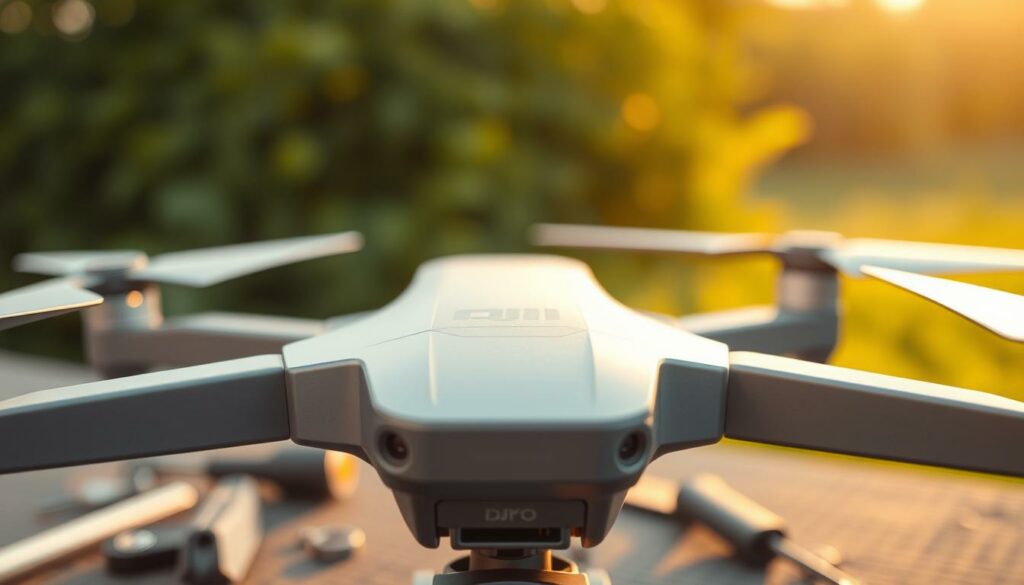
When folded, this drone measures just 214.2 x 100.6 x 89.2mm, slipping easily into a small bag. The 724g weight gives it substantial feel without sacrificing portability.
Metal components on the fuselage base and firm arm hinges provide reassuring solidity. There’s no wobble when unfolding the arms for flight. This construction handles winds up to 12m/s with impressive stability.
Controller and Accessory Considerations
The RC2 controller features a bright 5.5-inch Full HD touchscreen and comfortable ergonomics. Weighing 420g, it connects instantly and includes 32GB of storage.
Generous 42GB internal storage means you can capture substantial footage before needing a microSD card. The USB-C port handles both charging and data transfer efficiently.
The Fly More Combo delivers excellent value with a padded shoulder bag, battery charging hub, and essential ND filters. The charging hub’s power accumulation feature is particularly useful for field work.
Camera Performance and Image Quality
Having tested numerous aerial cameras over the years, I can confidently say the visual capabilities here represent a significant leap forward. The imaging system consistently delivers professional results that rival more expensive options.
Dynamic Range, Clarity and Low-Light Capabilities
The upgraded 1-inch sensor on the wide-angle camera makes a noticeable difference in low-light situations. I’ve captured clean, noise-free images during dusk shoots that would challenge smaller sensor drones.
Testing the claimed 14 stops of dynamic range revealed impressive detail retention. Even when pushing exposure five stops in editing, highlights remained intact and shadows showed minimal noise. The image quality from both cameras is exceptional.
Video Resolutions, Frame Rates and Creative Options
The video capabilities are equally impressive. Recording 4K at 120fps allows for beautiful slow-motion sequences. The 10-bit colour depth with HLG and D-Log M profiles provides incredible grading flexibility.
I particularly appreciate the vertical 2.7K mode for social media content. It delivers higher quality than cropping horizontal footage. Both lenses produce sharp, detailed results that hold up well in post-production.
Flight Performance and Safety
Flying this drone feels like having an intelligent co-pilot that handles the technical details. The battery life genuinely transforms creative sessions, offering up to 45 minutes of flight time per charge.
With three batteries in the Fly More Combo, I enjoy over two hours of potential flight. The charging hub’s power accumulation feature makes battery management incredibly convenient.
Battery Life, Flight Time and Power
Charging options are flexible. The USB-C port allows field charging, while the dedicated hub fully replenishes a battery in about 60 minutes. This power system reduces stress during shoots.
Real-world conditions slightly reduce the theoretical flight time, but I still achieve impressive minutes of operation. The drone maintains stability even in challenging winds.
Obstacle Avoidance and Stability Features
The obstacle avoidance system represents a significant upgrade. Front-facing LiDAR sensors work effectively at night, while vision-based detection covers other directions.
Three flight modes serve different purposes. Normal mode handles everyday flying, Cine mode creates smooth movements, and Sport mode reaches exhilarating speeds. The system automatically brakes or reroutes around hazards.
Intelligent features like automatic take-off and ActiveTrack 360° create dynamic shots effortlessly. The transmission system provides rock-solid connectivity throughout each flight.
Comparisons with Other DJI Drones
Understanding where this model fits in DJI’s extensive lineup helps clarify its remarkable value proposition. Many creators wonder how it stacks up against both older and more expensive options.
Differences between the Air 3, Air 3S and Mavic Series
Compared to its predecessor, the Air 3S brings meaningful upgrades without changing the core formula. The larger 1-inch sensor on the wide camera captures significantly more light. Enhanced LiDAR obstacle avoidance provides superior safety during complex flights.
When placed against the Mavic 3 Pro, the value becomes astonishing. While the Mavic offers three cameras, this model delivers comparable image quality at roughly half the price. Its flight characteristics feel more responsive and modern.
The Mini series drones serve a different purpose entirely. Their sub-250g weight simplifies regulations, and rotating cameras enable true vertical shooting. However, they lack the professional features and wind resistance of more substantial drones.
For current Air 3 owners, upgrading may not be essential unless you frequently shoot panoramas or need advanced night-time obstacle sensing. For everyone else, this represents the sweet spot in DJI’s current lineup.
Practical Use for YouTube Creators
For content creators seeking professional results across multiple platforms, the dual-camera system offers remarkable creative flexibility. It has become my primary choice for YouTube projects over the past six months.
Vertical Shooting and Social Media Content
The 2.7K vertical video mode is a game-changer for social media. Unlike cropping horizontal footage, this uses the sensor’s full 4:3 aspect ratio. The result is higher quality content for platforms like Instagram and TikTok.
I’ve used this feature for everything from Philadelphia snowstorms to breaking news coverage. The 70mm telephoto lens creates dramatic compressed perspectives. Sunset shots gain incredible depth that wide-angle lenses often miss.
Switching between cameras mid-flight keeps my videos dynamic. I can capture wide establishing shots and tight details without landing. This workflow efficiency is perfect for YouTube content creation.
The 10-bit D-Log M footage provides extensive grading flexibility. Files are a genuine joy to edit in DaVinci Resolve. I can push exposure and colours significantly without quality loss.
| Camera | Focal Length | Best Use Cases |
|---|---|---|
| Wide Angle | 24mm | Establishing shots, landscapes |
| Telephoto | 70mm | Subject isolation, dramatic scenes |
| Vertical Mode | 2.7K crop | Social media, mobile content |
This drone handles diverse subjects brilliantly. From travel content to commercial projects, it delivers consistent excellence. The combination of stable footage and long battery life lets me focus on creativity.
Price, Value and Regulatory Considerations
When considering any significant equipment purchase, understanding both the financial investment and regulatory responsibilities is essential. This model sits in a compelling price range, offering professional features without the cinema-level cost.
Cost, Bundle Options and Package Deals
In the UK, the base kit starts at £959. For serious creators, the fly combo represents the best choice. Priced at £1,439 with the RC2 controller, it includes:
- Three batteries for extended flight time
- A clever charging hub with power accumulation
- A set of essential ND filters
- A quality shoulder bag
This bundle provides exceptional value. The drone delivers image quality comparable to models costing twice as much.
UK Regulatory Requirements and Weight Class Implications
At 724g, this drone falls into a specific weight class with important rules. Recreational flyers need a flyer ID and must pass a free online theory test.
Basic rules require flying 50 metres from people and 150 metres from areas like parks. For more flexibility, the A2 Certificate of Competency allows flying closer to built-up areas.
This certification costs around £100 and involves a 90-minute exam. For casual users, lighter drones like the DJI Mini series offer simpler regulations. For dedicated creators, navigating these rules is a worthwhile step to access this drone‘s superb system.
Conclusion
The culmination of my extensive field testing reveals a tool that strikes the perfect balance between capability and accessibility. This drone has proven itself as my top choice for professional projects, delivering exceptional quality across both camera sensors. The impressive flight time and advanced system provide the creative flexibility serious creators need.
For YouTube professionals stepping up from entry-level models, this represents a logical progression point. The dual-camera setup offers remarkable video capabilities without the premium price tag. While UK regulations require commitment, the investment pays dividends for dedicated creators.
In my final assessment, this drone stands as an outstanding choice for those serious about their craft. Consider your specific needs, but for balanced performance and quality, it’s hard to find a better option in its class.
FAQ
How does the image quality compare to the DJI Mini 4 Pro?
In my experience, the larger sensor in this model delivers superior dynamic range and better low-light performance. The footage has more detail and flexibility for colour grading, which is a significant advantage for serious content creation.
What is the actual flight time I can expect?
Based on my tests, you can reliably get close to the advertised battery life. I consistently achieved around 45 minutes of flight time per charge, which is fantastic for capturing extended shots without frequent landings.
Is the obstacle avoidance system effective for flying in complex areas?
Absolutely. The omnidirectional sensors provide excellent protection. During my flights in wooded areas, the system reacted smoothly, giving me great confidence to focus on framing my shots rather than worrying about collisions.
Can this drone shoot video vertically for platforms like TikTok?
A> Yes, it can! One of my favourite features is the ability to shoot in a native vertical format. This saves so much time in editing and is perfect for creating social media content directly from the drone.
How does its weight affect UK drone regulations?
This is a crucial point for UK flyers. The weight places it in a specific category. You’ll need to be aware of the relevant operational limitations and may need to complete an online test to fly legally in many areas.
Is the Fly More Combo worth the extra investment?
I highly recommend it. The combo includes extra batteries, a charging hub, and a shoulder bag. The additional power and storage make a huge difference to your shooting day, offering much greater flexibility.